Contents of this article
As a trader and, above all, as a human being, you have probably noticed more than once that “irrationality” or emotion was hanging over your financial decisions. You are lucky if you are clear-headed enough to look back and recognize that you were in that state. In most cases, however, you are falling prey to biases, trading psychology errors that you cannot even recognize in yourself. Let us explore them in this article.

The illusion of control
Let us start with one of the most common biases traders and investors fall into. Look at the chart below, a typical technical chart you might find on any technical analyst’s desk.
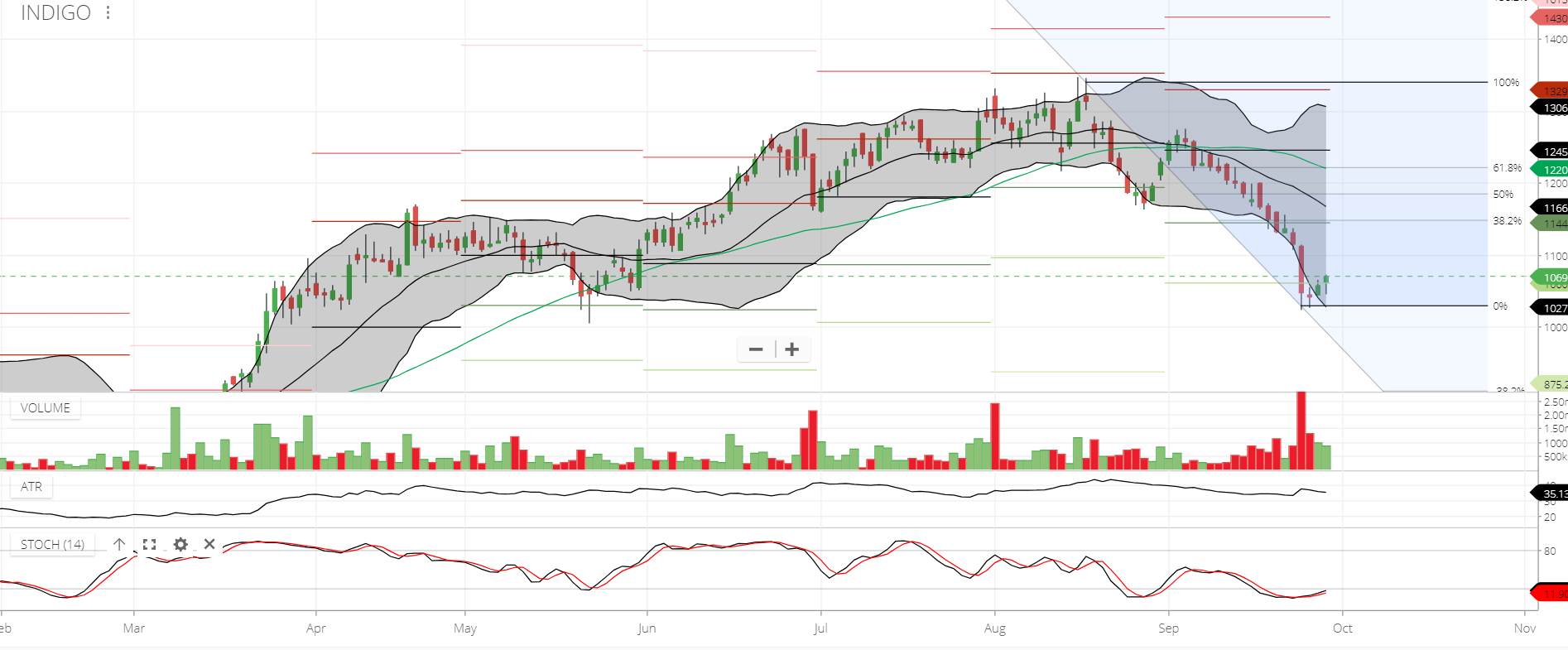
What you see on this chart is:
- Japanese candlesticks.
- Bollinger Bands
- Fibonacci retracements
- Support and resistance zones
- A volume chart
- ATR – Average True Range
- Stochastic
Each indicator on this chart gives the trader its own meaning and its own perspective, so when you combine complex indicators on the same chart, you think they will give you the most complete picture of the future trend. Sitting in front of them, you feel as if you are “controlling” the stock’s price.
This is often called “the illusion of control”, one of the biggest trading biases for a technical trader. Traders with this bias are often very confident when making statements such as “This stock won’t break through resistance at VND 50,000” or “With a chart like this, it’ll make at least 30–40%?!”
Traders tend to be drawn to complexity: it feels great to look at complex charts and feel you understand them, like a critic admiring a work of contemporary art.
However, no matter how many highly complex technical indicators you use, no method of analysis is perfect. A bad scenario can easily unfold against your prediction and, if you are overconfident, you will not be able to control the consequences.
The only way to overcome this bias is to treat every trade as having a probability of loss, and to set a sensible stop-loss. You will then start being more honest with yourself and with those around you, and you will always stay humble. I can tell you one thing: the best analysis is done when things are kept simple; using more complex tools does not mean better results.
Recency bias
If you have this bias, you give events in the recent past more weight than events further back. For example, you analyse a stock with good fundamentals and a low valuation, but its trend over the past few weeks has been down. You then tend to lean toward the negative and decide it is no longer an attractive investment. An experienced analyst, however, will see the long-term factors and conclude that the decline is just a temporary correction, or even an opportunity to buy the stock cheaply.
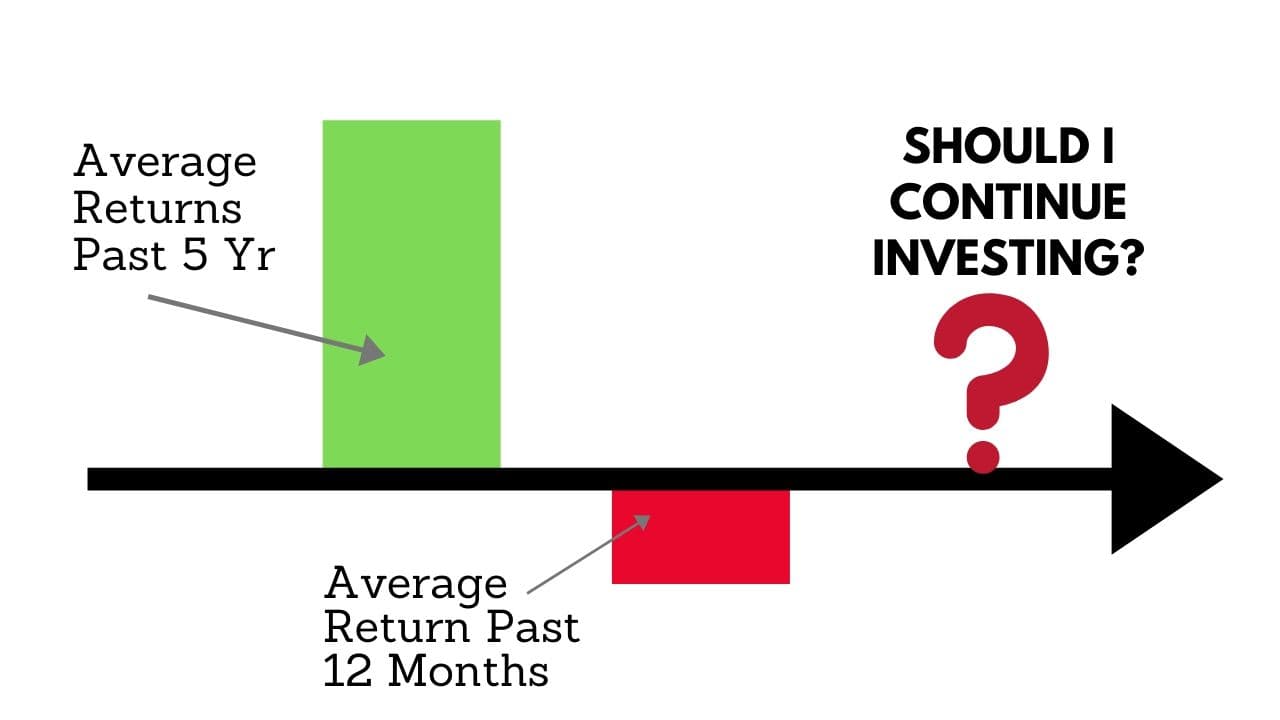
Recency bias
This bias often distorts your analysis. It makes you weight recent events more heavily than the big picture. That also points to the way to overcome it: look at everything from a broader perspective.
The anchoring effect
This is a bias that makes your mind give too much weight to the first thing it sees. For example, when you read a headline in a brokerage firm’s research report, “Stock X: a bright outlook from its new product line”, the first thing that comes to mind is a positive feeling about the stock. You then tend to downplay the negative arguments and risks noted further down, and focus more on what the new product is and how much change it is expected to bring.
So be genuinely discerning when you read information, and do not let first impressions fool you.

Confirmation bias
Suppose you believe stock A is good and will rise in the future. You read articles about the company in the press and analyse its figures, and you find that the business has solid fundamentals. But when you read some bad news about the company, you do not take it on board; instead you think, “this company is so good, this bad news is just temporary and won’t affect the long term.” Or when you spot a bad figure, you still try to justify it and convince yourself it is actually good.

That is confirmation bias: when you hold a view, you try to find evidence to support it and ignore opposing views. This is certainly not good, because you will then fail to assess all the risks. So look at every issue from both sides.
Attribution bias
This is an error in behavioural psychology that many people make. When your trade closes at a profit, you often feel proud of yourself and think you were very smart to make the right choice. But what if you lose? You still think your analysis was right, and blame your broker, the brokerage firm or even… the bad weather for clouding your judgment. In short, you never accept that you were wrong.

A fun example of attribution bias
As a result, you will never recognize your mistakes; you keep believing you are right and carry on with the same analytical strategies. And, sure enough, you keep losing.
That is why you need to keep a trading journal. Carefully recording your reasons for entering each trade and its profit or loss, then reviewing your losing trades to analyse your mistakes and learn from them, is an effective way to avoid attribution bias and to take responsibility for what happens.
Happy trading!
Technical Analysis course – CMT Level 1
Green Chart designed this course specifically for candidates who want to study and prepare for the CMT Level I exam in Vietnam. The 28-session programme covers theory, practice questions and mock exams. Students also receive free course materials, question banks and mock exams for their exam preparation, plus free lifetime retakes of the course.
Find out more about the course here.