
Emotions drive most of our decisions, including our trading. Online trading courses are full of examples of how fear and greed make traders buy and sell at the wrong time. Behavioral economists also focus on how regret avoidance leads many traders into bad decisions. To avoid the feeling of regret, we often hold on to losing positions, hoping they will turn around, or, conversely, sell winning positions too early for fear that price will reverse.
The interplay between emotion and risk-taking leaves many traders constantly unsure of their decisions. The challenge of trading is to perceive risk accurately, control your emotions and execute trades calmly and rationally. Overconfident traders, however, may be unable to gauge their emotions accurately
Karin Tochkov and Edelgard Wulfert at the University at Albany, New York, tested how accurately students could predict their emotional reactions to financial losses. The study took place in two phases. In the first phase, university students were asked to imagine playing a gamble and to rate how they would feel if they lost. For example, they were asked to consider, “How would you feel if you lost $150?” They rated how disappointed they would feel.
A week later, in the second phase, they were brought back to the lab for further testing. This time, instead of merely imagining, they actually gambled and felt the real consequences of losing money. The results showed that most students had misjudged their emotional experience. They underestimated how disappointed they would feel after actually losing, compared with just imagining it. The ability to predict accurately how they would feel after a real gambling loss was related to their ability to assess risk.
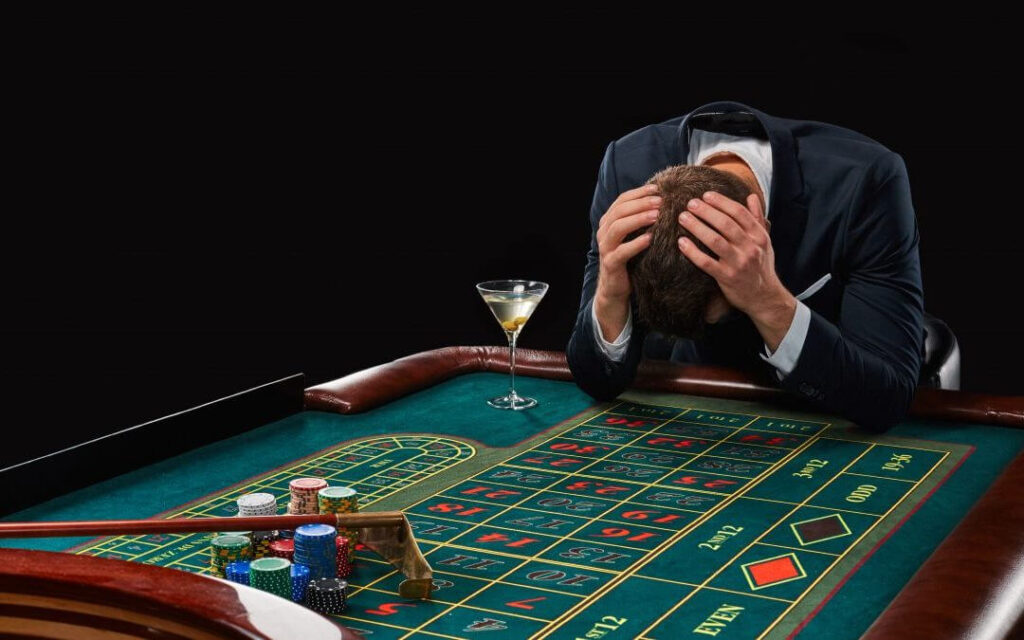
These findings suggest that overconfidence and overtrading may result from an inability to predict accurately the future emotional consequences of financial losses. An overconfident trader might think, “it won’t be that bad if I get this trade wrong”, or be so confident that they do not even consider the possibility of a loss when trading. If you do not anticipate how bad you will feel after a loss, you will have psychological problems with risk-taking. Conversely, traders who struggle to pull the trigger usually predict that losing will feel worse than it actually does.
If you are taking too many risky trades and paying the price, try focusing on how losing feels. Perhaps you are not thinking about the potential negative consequences of a loss. If you focus on how bad you will feel after a loss, however, you will stop and think more carefully about your trading decisions. You will also be more likely to manage risk and wait for high-probability setups, instead of rushing into a bad trade. Sometimes our emotions get in the way of trading calmly and rationally, but if you tend to seek risk, you may want to focus on the potential consequences of losing. It will stop you from making trades that could shrink your account balance.
Happy trading!
Technical Analysis course – CMT Level 1
Green Chart designed this course specifically for candidates who want to study and prepare for the CMT Level I exam in Vietnam. The 28-session programme covers theory, practice questions and mock exams. Students also receive free course materials, question banks and mock exams for their exam preparation, plus free lifetime retakes of the course.
Find out more about the course here.